
Interesting Facts about Bhagwan Shri Ram

Bhagwan Shri Ram is the Seventh Avatar among the Dasavatara of Shri Hari Vishnu
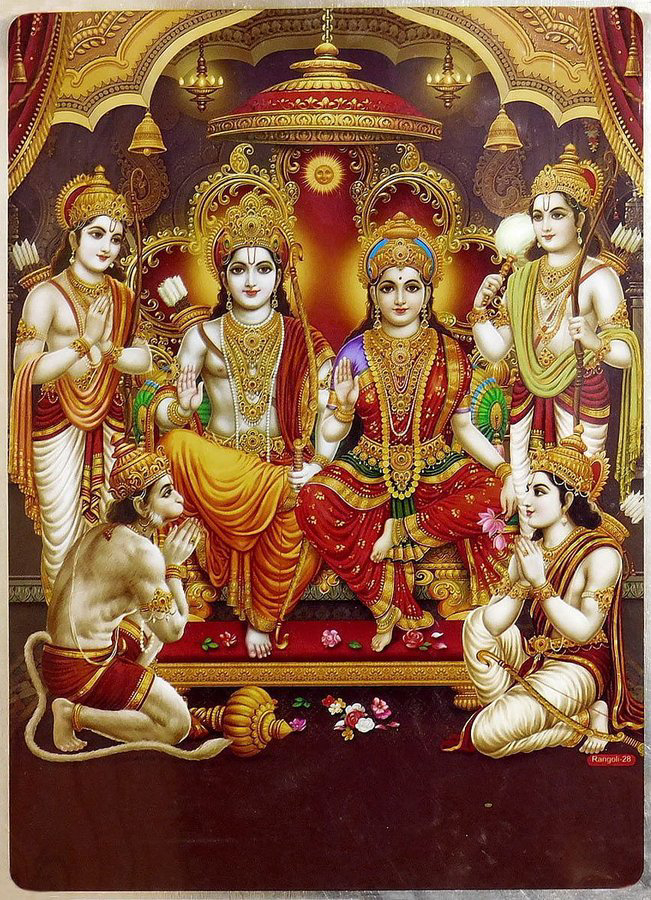
Bhagwan Shri Ram is Considered as the oldest Devta Worshipped in Human Form as he was born in Treta Yuga

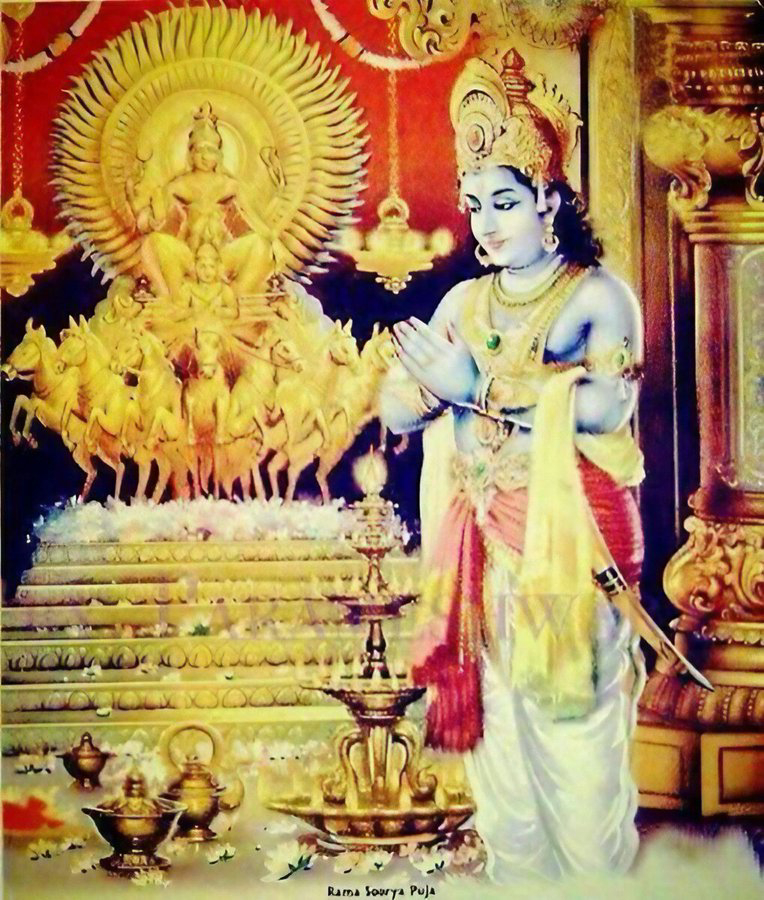
Bhagwan Shri Ram is descendant of Surya Devta as he was born in the Ikshvaku dynasty who was founded by Raja Ikshvaku, Son of Surya Devta. This is why Shri Ram is also called Suryavanshi

After defeating the Ravana, As Per Religious Beliefs Shri Ram ruled his kingdom Ayodhya for 11,000 years of complete peace and prosperity

As per Epic Mahabharat that once Bhagwan Shiva said that reciting the name of Ram thrice gives the grace equal to pronouncing the names of thousand deities

Vishnu Sahasranama lists a thousand names of Bhagwan Vishnu. According to this list, "Rama" is the 394th name of Bhagwan Vishnu

Hanuman once fought with Shri Ram to protect Kashi King Yayati, To help the Yayati in the battle, Hanumanji started reciting Ram. Because of this, Rama's arrows had no effect on Hanumanji and Rama had to accept his defeat

Bhagwan Shri Ram is the one of the Powerful Deities in Hinduism who is Majorly worshipped in Various Countries like Thailand, Malaysia, Indonesia, Cambodia, Burma, Pillippines, Nepal and Sri Lanka

Bhagwan Shri Ram abandoned the earth after taking Jal Samadhi in the Saryu River in Ayodhya on a Request of Brahmaji and Yamraj

Ramayana is the Major Epic in Sanatan Dharma who tells the lifes journey of Bhagwan Ram, Seventh avatar of the Bhagwan Vishnu, from his birth in the kingdom Ayodhya through his years in exile and His Victory over Evil
 
🌸||Jay Shree Ram|| 🌸
—————————————————————————————

Popular posts from this blog

āϰাāĻ•্āώāϏী āϟেāϰিāϜা āĻ“ āϧāϰ্āĻŽাāύ্āϤāϰāύেāϰ āĻŽিāĻļāύ

āĻāĻ•āϜāύ āĻŦিāϤāϰ্āĻ•িāϤ āĻŽāĻšিāϞা āĻšিāϏেāĻŦে āϟেāϰিāϜা āĻ“ āϤাāϰ āĻĒ্āϰāϤিāώ্āĻ িāϤ 'āĻĻ্āϝ āĻŽিāĻļāύাāϰিāϜ āĻ…āĻŦ āϚ্āϝাāϰিāϟি'āϰ (āĻĻাāϤāĻŦ্āϝ āϧāϰ্āĻŽāĻĒ্āϰāϚাāϰāĻ• āϏংāϘ) āĻ•্āϰিāϝ়াāĻ•āϞাāĻĒ āĻ…āϏংāĻ–্āϝ āĻŦিāϤāϰ্āĻ•েāϰ āϜāύ্āĻŽ āĻĻিāϝ়েāĻ›ে। āϟেāϰিāϜাāϰ āϏংāϘেāϰ āϏেāĻŦাāϰ āύিāĻŽ্āύāĻŽাāύ, āĻŦāϞāĻĒূāϰ্āĻŦāĻ• āϧāϰ্āĻŽাāύ্āϤāϰāύ āĻ“ āĻŽৃāϤ্āϝুāĻĒāĻĨāϝাāϤ্āϰীāĻĻেāϰ āĻ–্āϰিāϏ্āϟāϧāϰ্āĻŽে āĻĻীāĻ•্āώাāĻĻাāύেāϰ āύিāύ্āĻĻা āϜ্āĻžাāĻĒāύ āĻ•āϰেāĻ›ে āĻāĻŦং āϤাāĻĻেāϰ āϏাāĻĨে āωāĻĒāύিāĻŦেāĻļāĻŦাāĻĻ āĻ“ āĻŦāϰ্āĻŖāĻŦাāĻĻেāϰ āϏāĻŽ্āĻĒāϰ্āĻ• āϏ্āĻĨাāύ āĻĒেāϝ়েāĻ›ে āφāϞোāϚāύাāϝ়।  āϟেāϰিāϜা āĻ—āĻŖāϝোāĻ—াāϝোāĻ— āĻŽাāϧ্āϝāĻŽে āφāϞোāϚিāϤ āĻ›িāϞেāύ। āĻ…āύেāĻ•ে āĻŽāύে āĻ•āϰেāύ, āĻ•্āϝাāĻĨāϞিāĻ• āϚাāϰ্āϚ āĻ–্āϰিāϏ্āϟাāύāϧāϰ্āĻŽ āĻĒ্āϰāϚাāϰ āĻ“ āϏāĻŽাāϞোāϚāύাāϰ āĻŽোāĻ•াāĻŦেāϞা āĻ•āϰāϤে āϤেāϰেāϏাāϰ āĻ­াāĻŦāĻŽূāϰ্āϤি āĻŦ্āϝāĻŦāĻšাāϰ āĻ•āϰেāĻ›ে। āĻŦিāĻļ্āĻŦāĻŦিāĻ–্āϝাāϤ āϚিāύ্āϤাāĻŦিāĻĻ āϜাāϰ্āĻŽেāχāύ āĻ—্āϰিāϝ়াāϰ āϟেāϰিāϜাāĻ•ে 'āϧāϰ্āĻŽীāϝ় āϏাāĻŽ্āϰাāϜ্āϝāĻŦাāĻĻী' āĻŦāϞে āϏāĻŽাāϞোāϚāύা āĻ•āϰেāĻ›েāύ।  āĻ…āύেāĻ•ে āϤাāĻ•ে āωāύ্āĻŽāϤ্āϤ āωāĻ—্āϰāĻŦাāĻĻী , āĻŽৌāϞāĻŦাāĻĻী āϤāĻĨা āĻ­āĻŖ্āĻĄ āĻŦāϞে āφāĻ–্āϝাāϝ়িāϤ āĻ•āϰে āĻŦāϞেāĻ›েāύ āϝে, āϤিāύি āύিāϜেāϰ āϧāϰ্āĻŽীāϝ় āφāĻĻāϰ্āĻļ āϤāĻĨা āĻŦ্āϝāĻ•্āϤিāĻ—āϤ āϏ্āĻŦাāϰ্āĻĨ āϚāϰিāϤাāϰ্āĻĨ āĻ•āϰāϤে āĻĻুāϏ্āĻĨāĻŦāĻž্āϚিāϤāĻĻেāϰ āĻ…āϏ্āϤ্āϰ āĻšিāϏেāĻŦে āĻŦ্āϝāĻŦāĻšাāϰ āĻ•āϰেāĻ›েāύ। āωāĻĒāύিāĻŦেāĻļāĻŦাāĻĻী āĻ“ āĻŦāϰ্āĻŖāĻŦাāĻĻী āĻĒ্āϰāĻ•āϞ্āĻĒ āϟেāϰিāϜাāĻ•ে āĻāĻ•āĻ•āĻĨাāϝ় āωāĻĒāύিāĻŦেāĻļāĻŦাāĻĻ āĻ“ āĻŦāϰ্āĻŖāĻŦাāĻĻেāϰ āϧ্āĻŦāϜাāϧাāϰী āĻŦāϞা āϝাāϝ়। āϟেāϰিāϜা āωāĻĒāύিāĻŦেāĻļিāϤ āĻĻেāĻļে āϧāϰ্āĻŽāĻĒ্āϰāϚাāϰāĻ• āĻļ্āĻŦেāϤাāĻ™্āĻ— āύাāϰীāĻĻেāϰ āĻĒ্āϰāϤিāĻ­ূ āϰূāĻĒে āĻ•্āϰিāϝ়াāϰāϤ āĻ›িāϞেāύ āϝেāύ āϤিāύি āĻ•াāϞো āĻŽাāύুāώāĻĻেāϰ āϏ্āĻŦীāϝ় āĻ•াāĻŽāύা āĻ“ āĻ…āĻĒাāϰāĻ—āϤা āĻĨে...